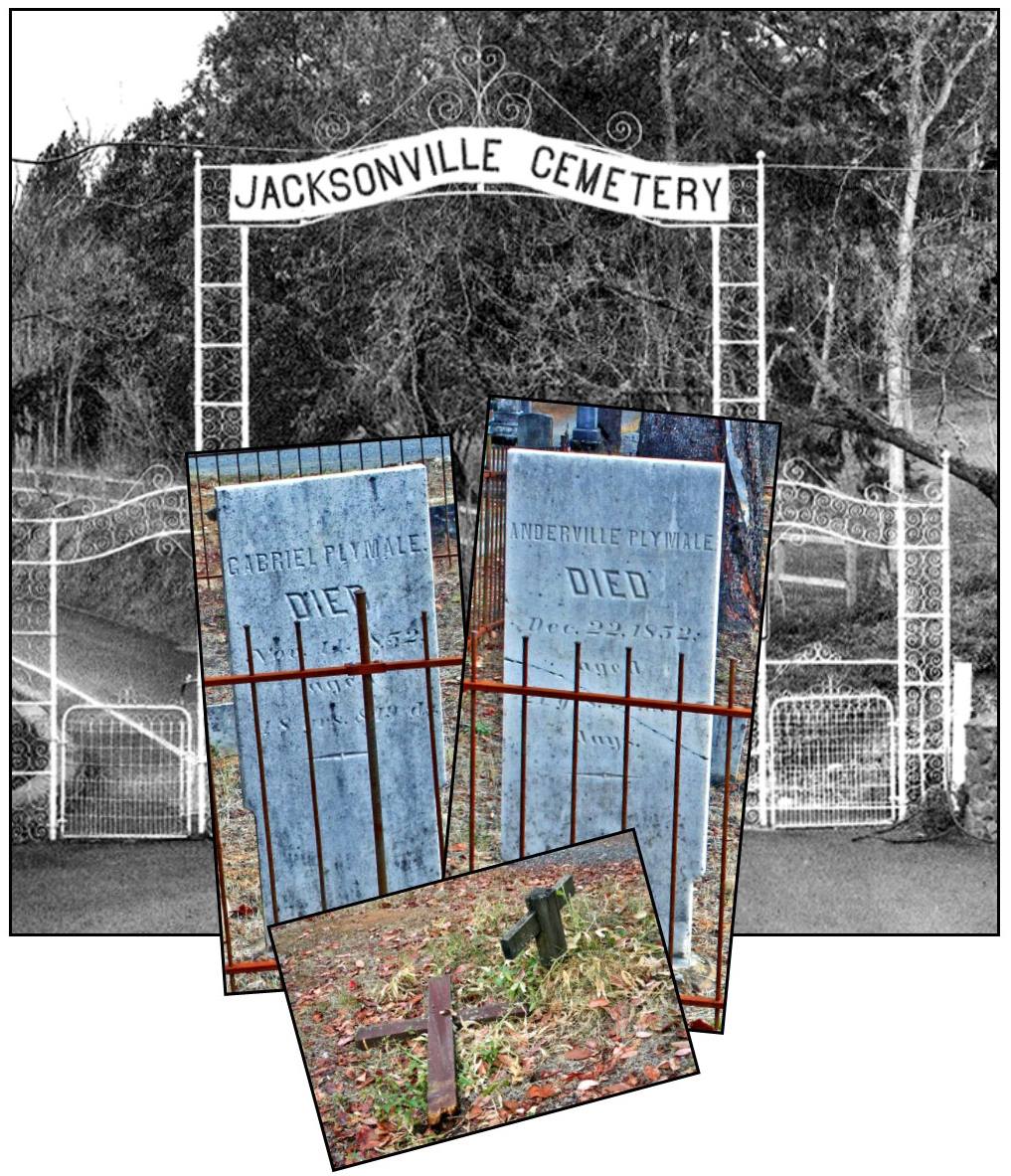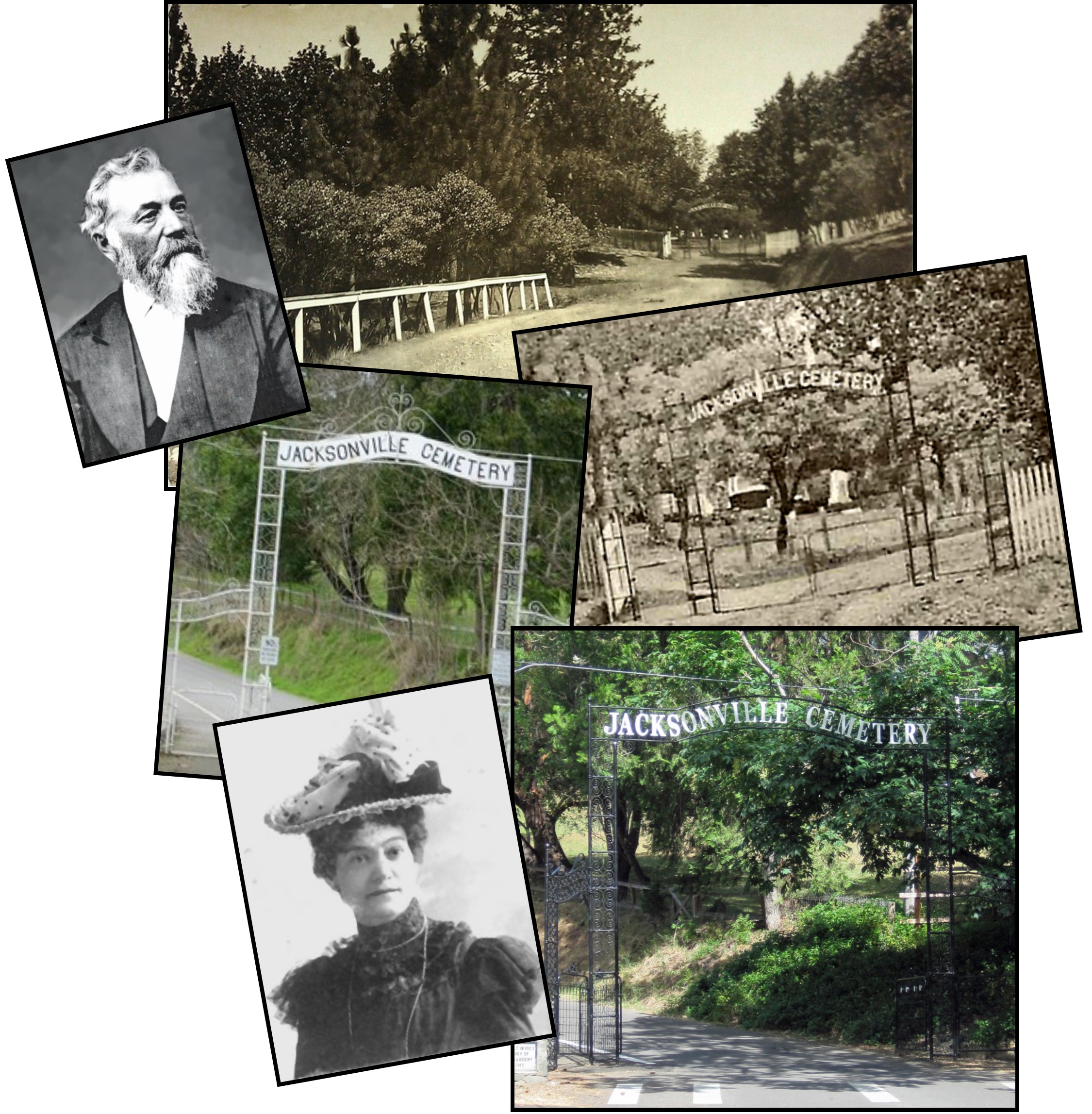



Jacksonville’s Historic Cemetery, located at the end of West “D” Street, is one of the oldest cemeteries in the Pacific Northwest and one of the few that has remained in continuous use. Its 32 acres contain over 4,000 grave sites. The cemetery was platted in 1859 and dedicated in 1860, but there are headstones with earlier dates. Before this cemetery opened, it was common for settlers to have family graveyards on their own property. Later some chose to move loved ones to the community cemetery. Two such are Gabriel and Anderville Plymale, father and son, the earliest recorded deaths in Jacksonville. Having survived the 2,000 mile trek across the Oregon Trail, they arrived in Jacksonville in October of 1852. Gabriel died within the month from “swamp fever,” more commonly known as typhoid fever. Anderville died just three weeks after his father. There was no cemetery at the time, so they were buried at the bottom of the hill. When the cemetery opened in 1860, they were brought here to their final resting place.

March 7, 2017
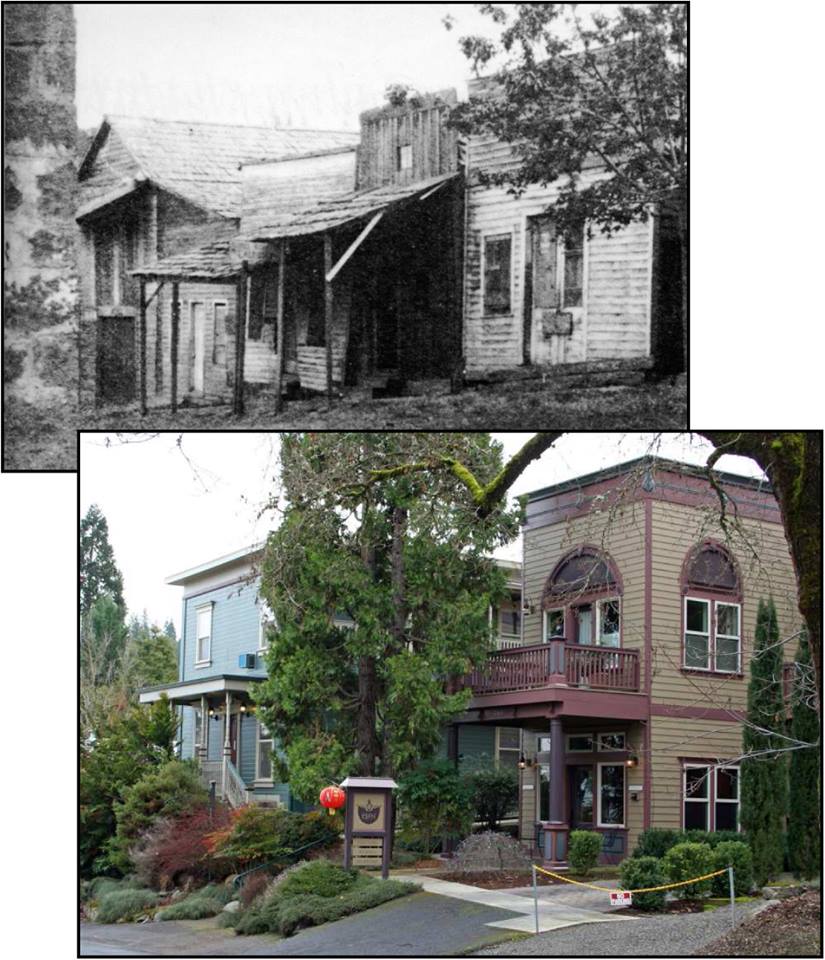
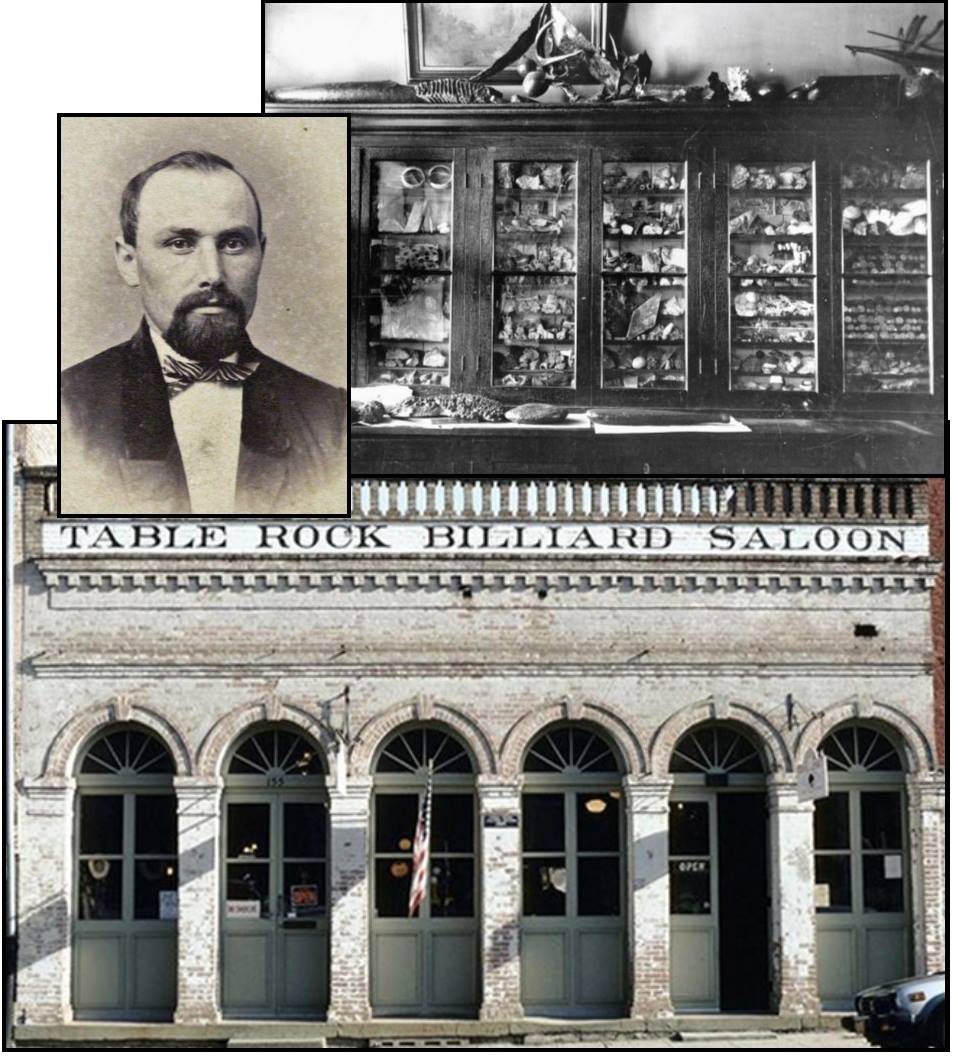
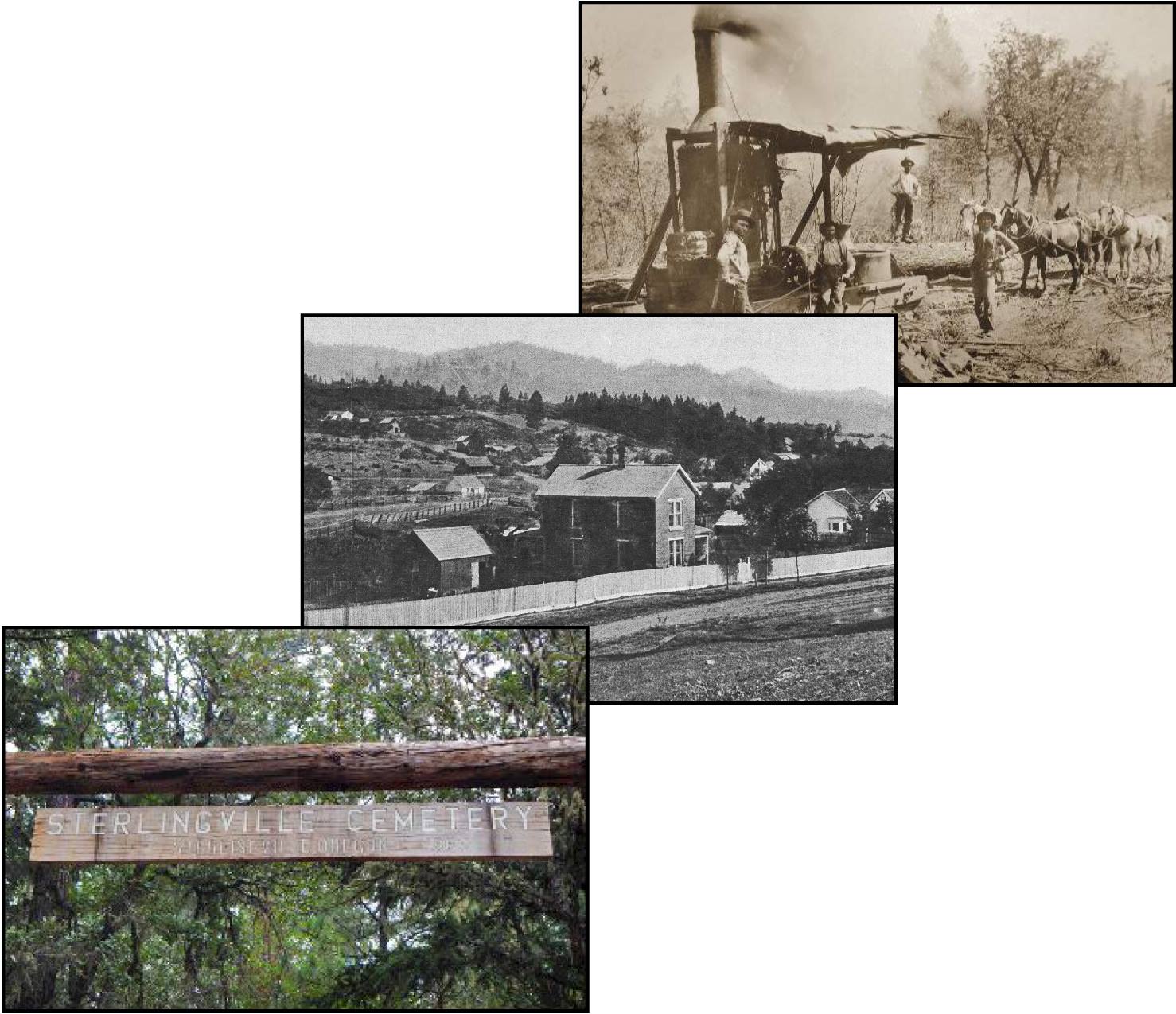
Both John Cantrall and Patrick Fehely, featured in our last 2 History Trivia Tuesdays, mined in Sterlingville, located about 6 miles south of Jacksonville. An entire town sprang up after miners James Sterling and Aaron Davis struck gold in 1854 in nearby Sterling Creek. With the gold miners came boarding houses, saloons, general stores, a casino, a dance hall, a barbershop and blacksmith shop and many houses. Within 2 years Sterlingville was home to over 800 people; at its peak Sterlingville had a population over 1,500. Jacksonville’s South 3rd Street (shown here in front of the Fehely House) connected to the Sterlingville Road. In 1877, the Sterling Mine Company built the Sterling Ditch, diverting water 23 miles from the Little Applegate River for hydraulic mining. Sterling Mine quickly became the largest hydraulic mine in Oregon. But as the gold diminished, so did the township. After the Great Depression, what little business and population were left slowly faded away and nature eventually reclaimed the buildings. Today, the cemetery is the only remaining sign of Sterlingville’s existence. Patrick Fehely and his wife, Sarah Jane, are both buried there.